
Tour de France 2027: Three Weeks That Could Define the Race
Stuart O'Grady rode 17 Tours. Here is his week-by-week read of the 2027 Tour de France, from the Edinburgh Grand Départ to the Col du Portet and Paris.
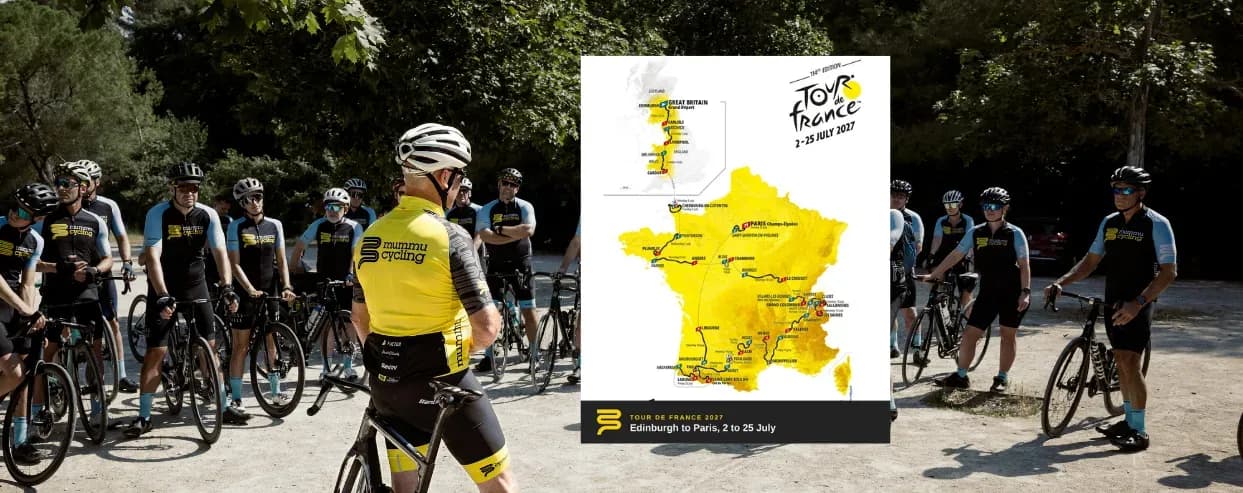
The 2027 Tour de France promises to deliver an exciting mix of history, strategy, 71 km of time trialling and some brutal mountain battles. With the race starting in Scotland for the first time, the 114th edition will take the peloton across Great Britain before heading to France for three weeks of racing that could be decided by the smallest of margins.
Having competed in 17 Tours, I know that winning the Tour is about far more than climbing mountains. From the opening kilometre, positioning, teamwork, recovery, race intelligence and knowing when and where to move as a team can make all the difference.
Good leadership is the key. Strong, smart decisions and positive thinking.
Here are the key highlights to watch across each week.
Week One: History in Scotland and the First Major Test
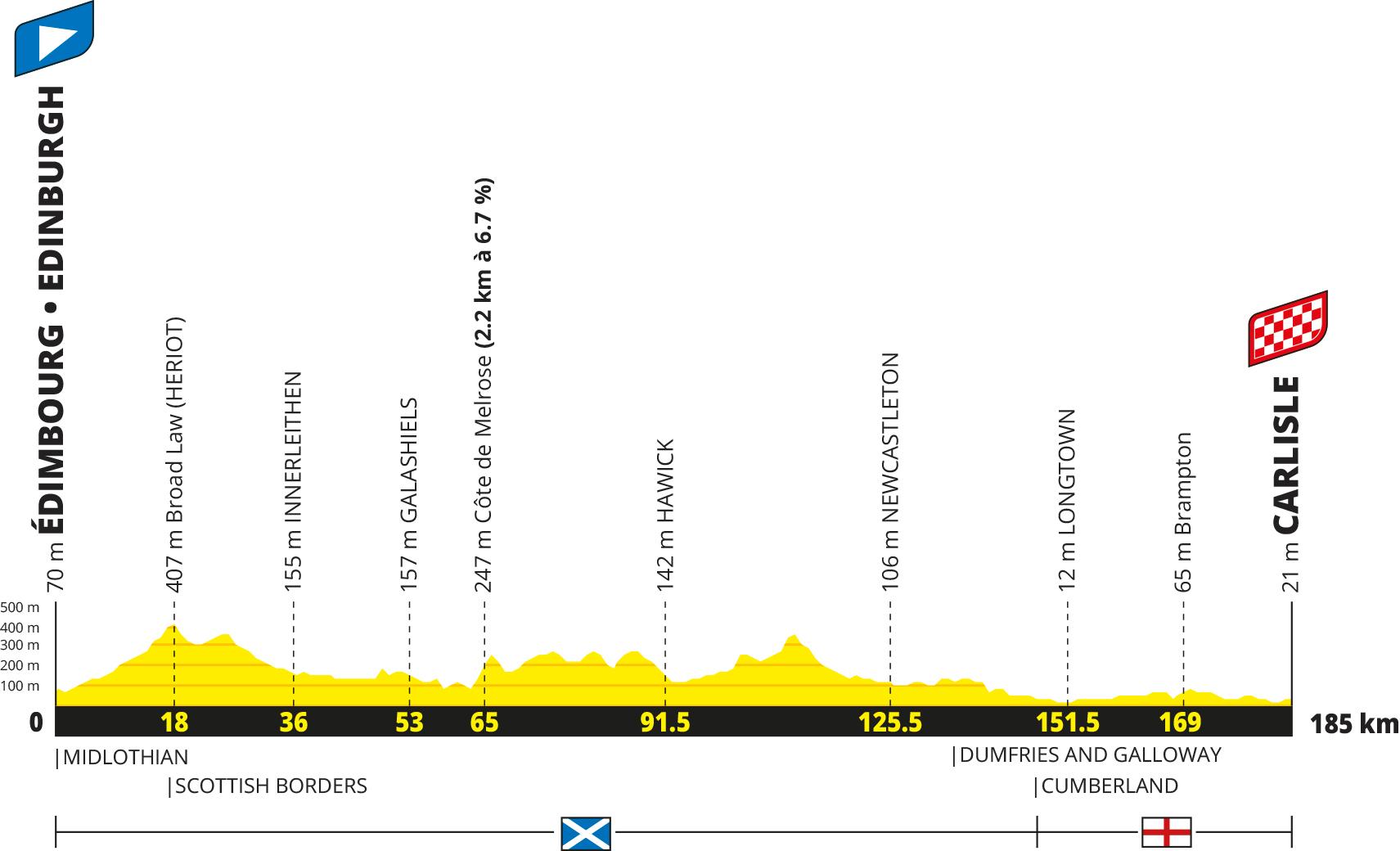
The Tour begins in Edinburgh on 2 July, marking a historic first for Scotland. The opening three stages will take the riders through Scotland, England and Wales, with finishes in Carlisle, Liverpool and Cardiff.
The opening stage will be one for the sprinters. Merlier, Philipsen or Madsen? But the British roads and potentially changeable weather will demand full concentration from the entire peloton. The long stage to Liverpool will provide another opportunity for the fast men, before the inaugural visit to Geraint Thomas' Welsh terrain on the way to Cardiff gives the general classification contenders their first serious examination.
Once the race reaches France, the 38 km individual time trial from Blois to Chambord will be a major early highlight. During this ITT, we will find out who the real favourites are. Remco's result will be super important, and this will give us a great insight into his GC capabilities. The strong time triallists could establish an important advantage before the first mountain showdown at the Grand Colombier on Stage 9.
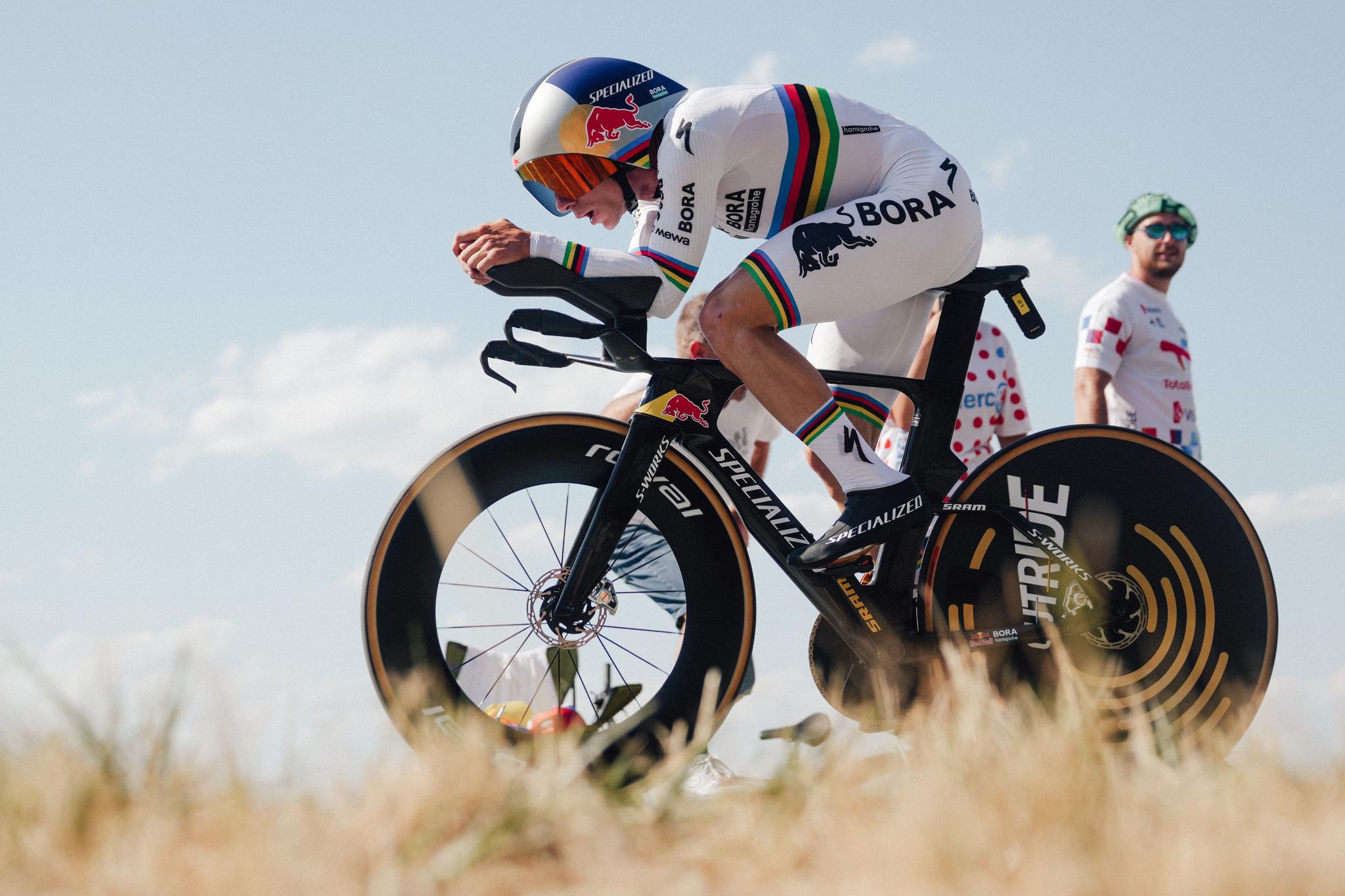
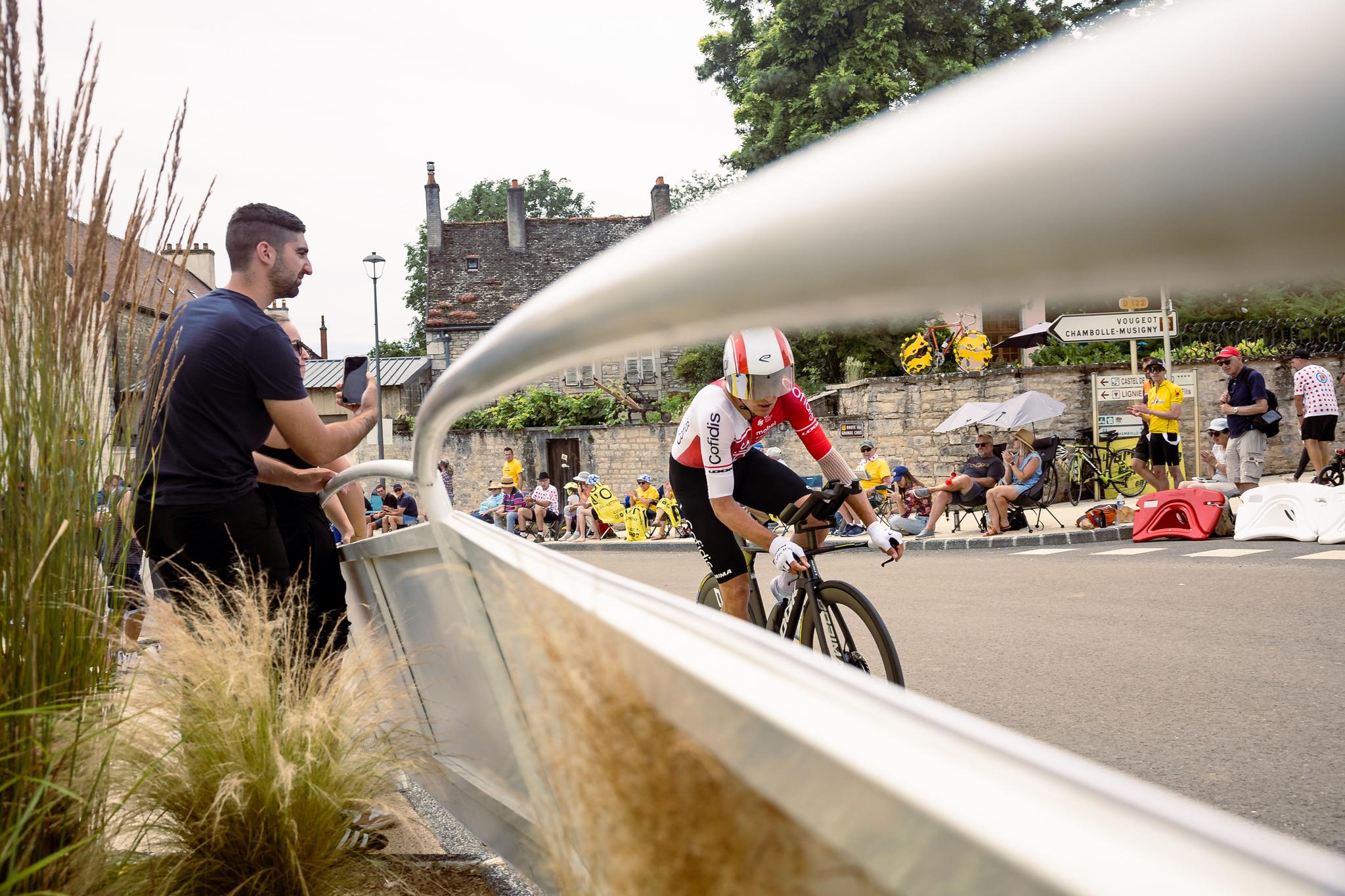
Remco Evenepoel powers through the Tour de France 2026 Étape 16 individual time trial.
The week's defining moment: The Grand Colombier. With around 3,750 metres of climbing on the stage, this will be the first real opportunity for the overall contenders to test one another in the mountains and establish an early hierarchy.

Week Two: The Alps, Time Gaps and the Fight for Yellow
The second week begins with another demanding test around one of my favourite French cities, Annecy, and Sallanches, including the famous Côte de Domancy. The route will offer a preview of the region's 2027 UCI Road World Championships, adding extra significance for riders who excel on these roads.
Then comes the French national holiday on 14 July, traditionally one of the most exciting days of the Tour. The stage from Cluses to Les Saisies packs almost 5,000 metres of climbing into just 150 kilometres, including the Col du Pré and the ascent of Bisanne.

This is the sort of stage where a strong team can put its rivals under pressure, but individual strength and tactical awareness will be just as important. Riders who have lost time earlier in the race will need to go into offensive mode to claw back some time.
The journey south then offers opportunities for sprinters and breakaway specialists before the demanding stage to Mende. Its 4,300 metres of climbing and punishing final ascent could create another shake-up in the overall standings.
The week's defining moment: The 14 July mountain stage to Les Saisies. Expect the strongest climbers to look for opportunities to gain time, while the overall contenders will need to judge their efforts very carefully with the Pyrenees on the horizon.
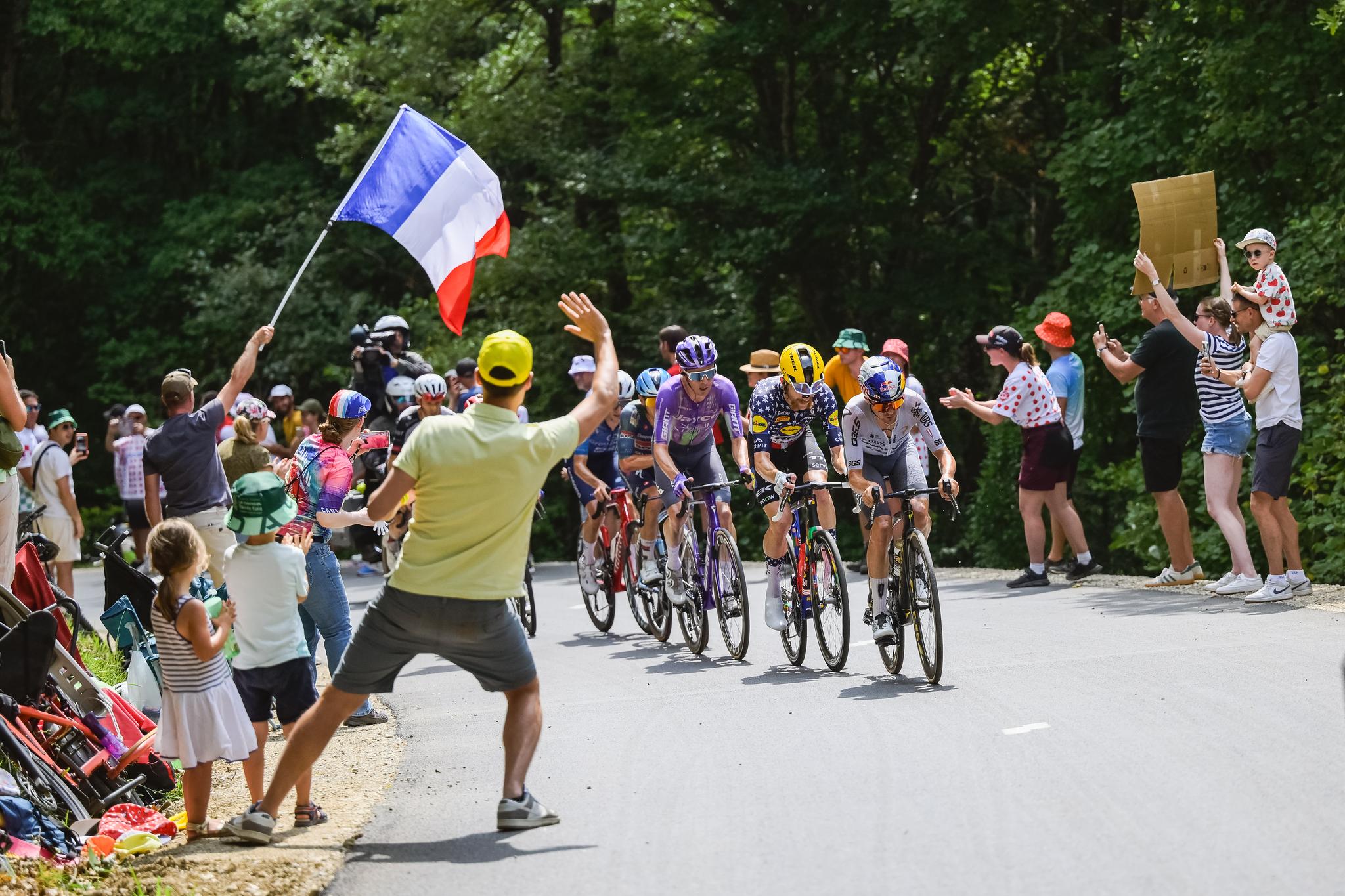
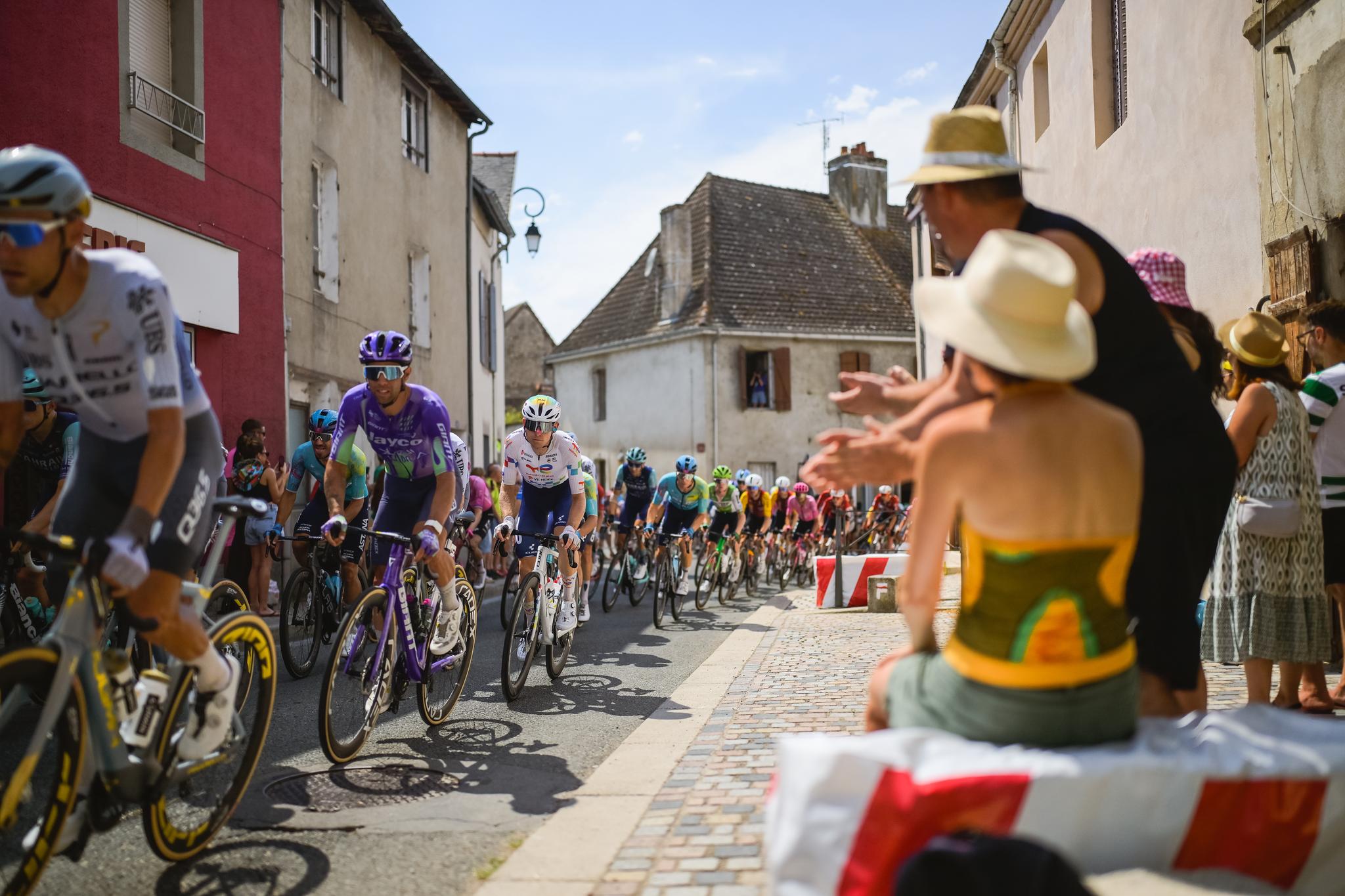
Fans cheer as Jonas Vingegaard leads the peloton up Plateau de Salaison Brison at Tour de France 2026.
Week Three: The Pyrenees and the Final Battle for the Tour
By the third week, your mental fatigue, sore legs and aching body become one of the biggest opponents. Every climb hurts a little more, recovery becomes critical, and even a small mistake can cost a rider the race.
The 33 km individual time trial in Toulouse, not far from my old home in Labarthe-sur-Lèze, will provide another major opportunity for specialists to gain time or for climbers to limit their losses before the final mountain battles.
The defining challenge arrives in the Pyrenees.
Stage 18 finishes at the Col du Portet after 174 kilometres and approximately 5,400 metres of climbing, including the Col du Soulor and the legendary Col du Tourmalet. It is the "Queen Stage" of the race and could prove decisive in the fight for the yellow jersey.

The following day, the riders face another demanding mountain stage from Hasparren to Laruns, featuring the Col de Burdincurutcheta, the Col du Soudet and the Col de Marie Blanque. Anyone hoping to get on the podium has to go all in on these final stages. No one wants to finish fourth.
The week's defining moment: The Col du Portet. This is where the strongest contenders could make their decisive move, although the following stage means nobody can afford to celebrate too early.
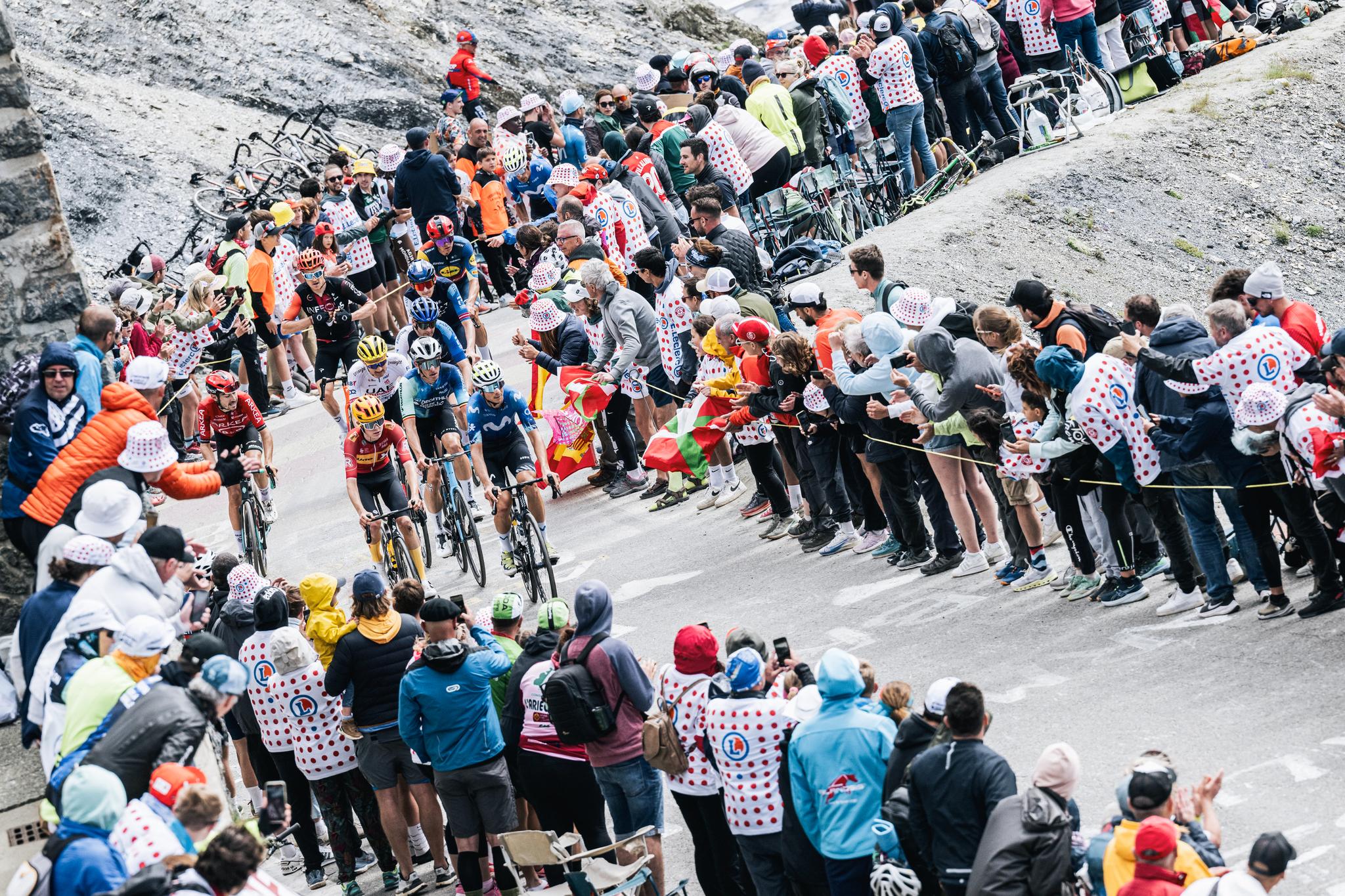
Climbing the Tourmalet.
The Grand Finale: Paris Awaits
We witnessed possibly the greatest stage I've ever seen last year when Pogačar and Van der Poel attacked, so it's no surprise that the final stage returns to the traditional Paris finish on the Champs-Élysées, with the spectacular climbs of Montmartre once again adding an extra dimension to the finale.
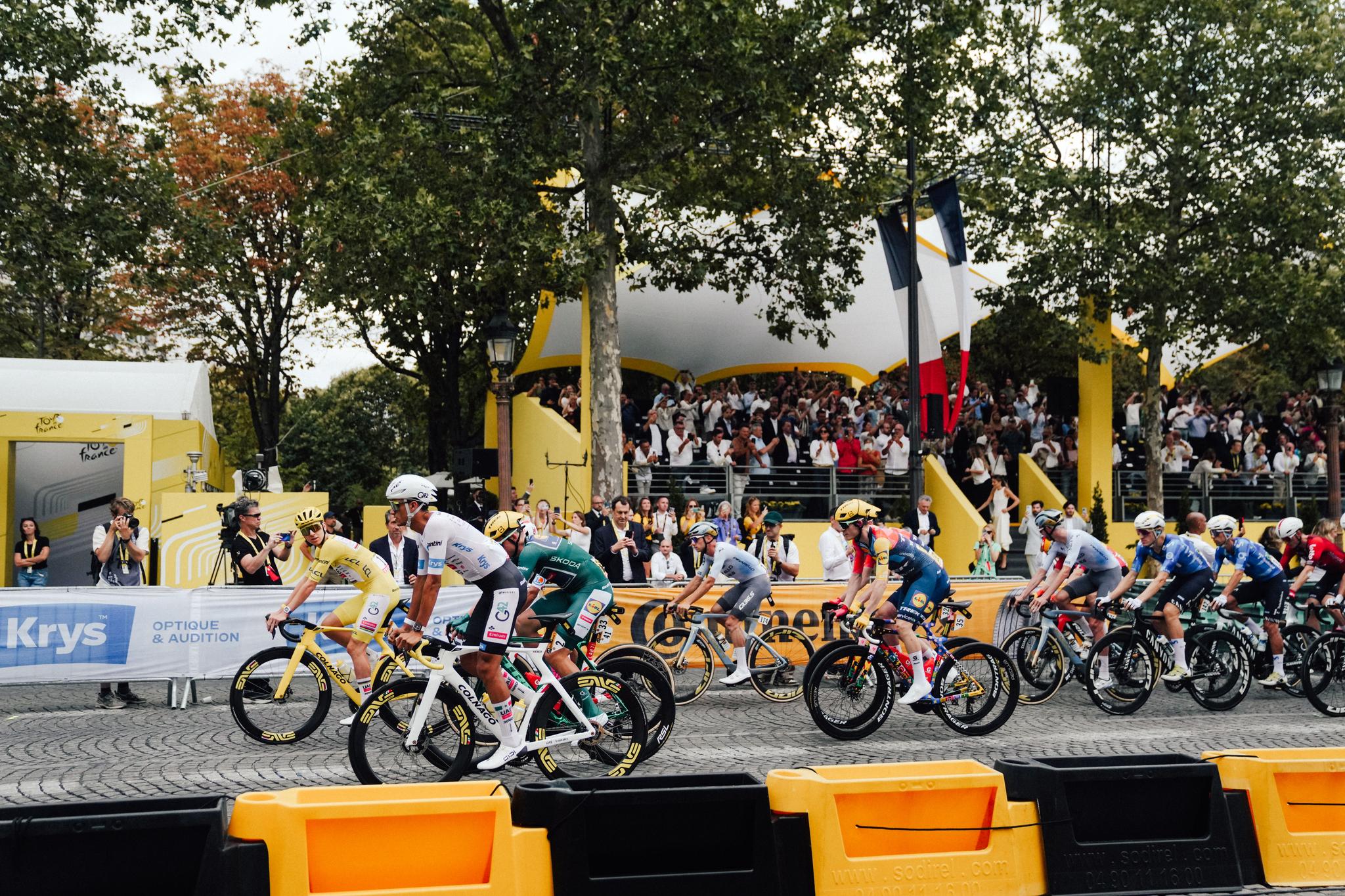
Peloton led by the yellow jersey on the iconic Champs-Élysées at the Tour de France finale.
For the sprinters, this is the one they really want to win. They finished within centimetres of winning last year. For the overall contenders, it is the culmination of three exhausting weeks of racing and a moment to celebrate reaching the finish.
The 2027 route maybe isn't the most difficult in recent memory, but it features two individual time trials and several demanding mountain stages, creating a race in which a rider and their team will need both consistency and the ability to deliver on the decisive days.
The high stakes game of chess on wheels will be on full display.
The final highlight: The Champs-Élysées. After three weeks of sacrifice, teamwork and extraordinary athletic performances, the Tour will crown another champion.
Final thoughts
The 2027 Tour de France has all the ingredients for a memorable race: a historic start in Scotland, spectacular British scenery, a demanding time trial, challenging Alpine stages and a brutal Pyrenean finale.
From my experience, the Tour is never won on one climb alone. It is won through three weeks of smart racing, strong teamwork, resilience and the ability to seize the right opportunity when it comes.
That is what makes the Tour de France so special, and why the 2027 edition will be fascinating to watch.
How far can Paul Seixas improve in 12 months? Will Tadej make it his sixth Tour title?
Join me next year to find out.
Stuey