
Ultimate Guide to Tour de France Travel: Explore Like a Pro
Gear up for the ride of a lifetime. In this ultimate guide, discover essential tips to travel through the Tour de France like a pro and make unforgettable memories
Best Times to Visit and Attend the Tour de France
The Tour de France, an annual event that captures the hearts of cycling enthusiasts worldwide, typically takes place in July. This timing aligns perfectly with the summer season in France, offering long daylight hours and generally pleasant weather. Therefore, July is the best time to visit if you're planning to catch the race live. The energy around this period is infectious, with towns and cities along the route buzzing with excitement.
However, the peak tourist season also means larger crowds and higher prices. If you prefer a quieter experience, consider arriving a week or two before the race starts. This allows you to explore the scenic routes, historical landmarks, and local culture without the overwhelming rush. Early arrivals can also secure better accommodations and vantage points for the race.
Regardless of when you choose to visit, it's crucial to stay updated on the official Tour de France website for any schedule changes or special events. Being well-informed will help you make the most of your trip and ensure you don't miss any critical stages of the race.
Planning Your Itinerary: Key Stages and Locations
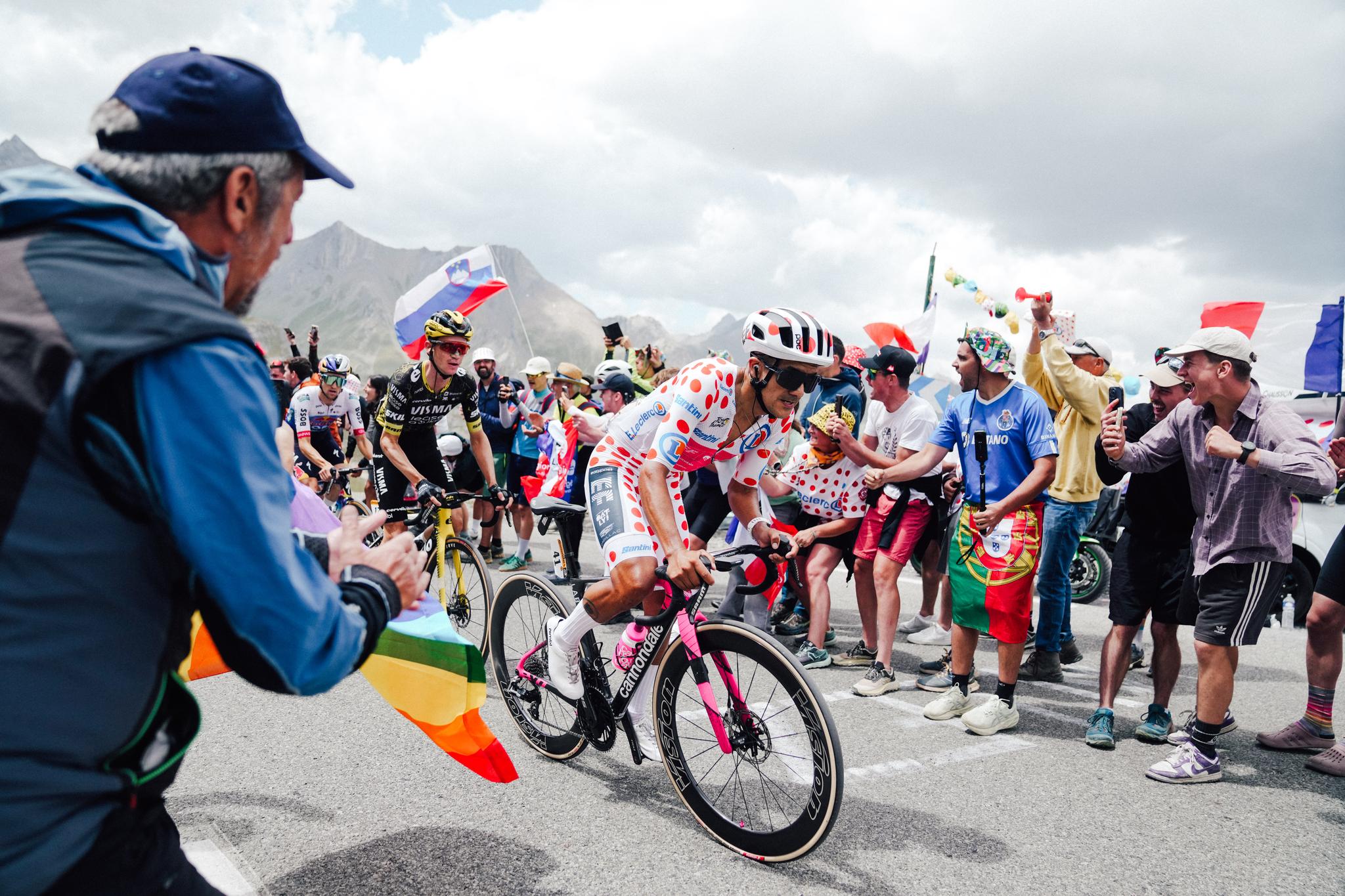
Planning your itinerary for the Tour de France can be as exhilarating as the race itself. The event spans 21 stages, each offering a unique landscape and cultural experience. Key stages often include the mountain climbs in the Alps and Pyrenees, which are not only challenging for the cyclists but also breathtaking for spectators. These stages usually attract the most attention and are worth adding to your itinerary.
Paris, the final destination of the race, is another must-visit location. The Champs-Élysées stage is iconic, marking the end of the gruelling journey with a spectacular finish. Being in Paris allows you to witness the culmination of the race and partake in the celebratory atmosphere. Additionally, the city offers countless attractions, from the Eiffel Tower to world-class museums, making it a perfect end to your Tour de France adventure.
For those interested in the historical and cultural aspects, consider visiting towns like Carcassonne and Albi in the Occitanie region. These locations often feature in the race and offer a rich blend of medieval architecture and local traditions. By diversifying your itinerary, you can experience both the thrill of the race and the charm of French culture.
Transportation Options for Tour de France Travel
Navigating through the Tour de France requires careful planning, especially when it comes to transportation. France boasts an extensive and efficient public transportation system, including trains, buses, and car rental options. The TGV (Train à Grande Vitesse) is particularly useful for long-distance travel, connecting major cities in a matter of hours. Booking your train tickets in advance can save money and ensure you get a seat during peak times.
For more flexibility, renting a car is an excellent option. It allows you to explore remote areas and follow the race more closely. However, be prepared for road closures and traffic delays, especially near the race routes. Using a GPS or navigation app can help you avoid congested areas and find alternative routes. Parking can also be challenging, so it's wise to arrive early at your destinations.
Cycling enthusiasts might consider bringing their bikes or renting one locally. Many towns along the Tour de France route offer bike rental services, allowing you to immerse yourself in the cycling culture. Riding along parts of the race route can provide a unique perspective and a deeper appreciation for the challenges faced by the athletes.
Where to Stay: Accommodation Tips for Cyclists and Fans
Finding the right accommodation is crucial for a comfortable and enjoyable Tour de France experience. Options range from luxury hotels in major cities to charming bed and breakfasts in smaller towns. Booking your stay well in advance is essential, especially in popular locations like Paris, Grenoble, and Nice. These areas tend to fill up quickly due to the high demand during the race.
For a more immersive experience, consider staying in local guesthouses or "chambres d'hôtes." These accommodations offer a glimpse into French hospitality and often include homemade meals. Many are located in scenic areas, providing a tranquil retreat after a day of race-watching. Camping is another popular option, particularly for those following the mountain stages. Campsites are plentiful along the route, offering a budget-friendly and adventurous way to experience the race.
Cycling clubs and online forums can also be valuable resources for finding accommodation. Fellow enthusiasts often share recommendations and tips for the best places to stay. Additionally, some towns and villages organise special events and accommodations for Tour de France visitors, enhancing the overall experience.
Essential Gear and Packing List for Tour de France Attendees
Packing for the Tour de France requires careful consideration to ensure you have everything you need for a comfortable and enjoyable trip. Start with the basics: comfortable clothing, sturdy walking shoes, and weather-appropriate gear. July in France can be hot, so pack lightweight, breathable fabrics and a good-quality hat for sun protection. Don't forget sunscreen and sunglasses to shield yourself from the intense summer sun.
For those following the race closely, a portable chair or blanket can be invaluable for long hours of spectating. Binoculars are also useful for getting a closer look at the action, especially in crowded areas. If you plan to capture the event, bring a good camera with extra batteries and memory cards. A small backpack or daypack is ideal for carrying your essentials, including snacks, water, and a first-aid kit.
Cycling enthusiasts might also want to pack their gear, such as helmets, gloves, and cycling shoes. Many towns along the route offer bike rental services, but having your equipment ensures a better fit and comfort. Additionally, a detailed map or guidebook of the Tour de France stages can help you navigate and plan your days more effectively.
Local Cuisine and Dining Recommendations Along the Route
One of the highlights of travelling through the Tour de France is the opportunity to savour French cuisine. Each region along the route offers its specialties, providing a culinary adventure that complements the race. In the Alsace region, for example, you'll find hearty dishes like choucroute garnie (sauerkraut with sausages) and tarte flambée (a thin-crust pizza-like dish). Pair these with local wines for a true taste of the area.
The Provence region, known for its Mediterranean flavours, offers dishes like ratatouille, bouillabaisse (fish stew), and tapenade (olive spread). Fresh produce, herbs, and olive oil are staples in Provençal cooking, making for light and flavourful meals. Don't miss out on the opportunity to visit local markets, where you can sample and purchase fresh ingredients and artisanal products.
For a sweet treat, head to the Île-de-France region, home to Paris and its famous patisseries. Indulge in croissants, éclairs, and macarons from renowned bakeries. If you're in the Brittany region, try the local crêpes and galettes, which can be filled with a variety of sweet or savoury ingredients. No matter where you are on the Tour de France route, there's always a delicious meal waiting to be discovered.
Engaging with the Cycling Community: Events and Activities
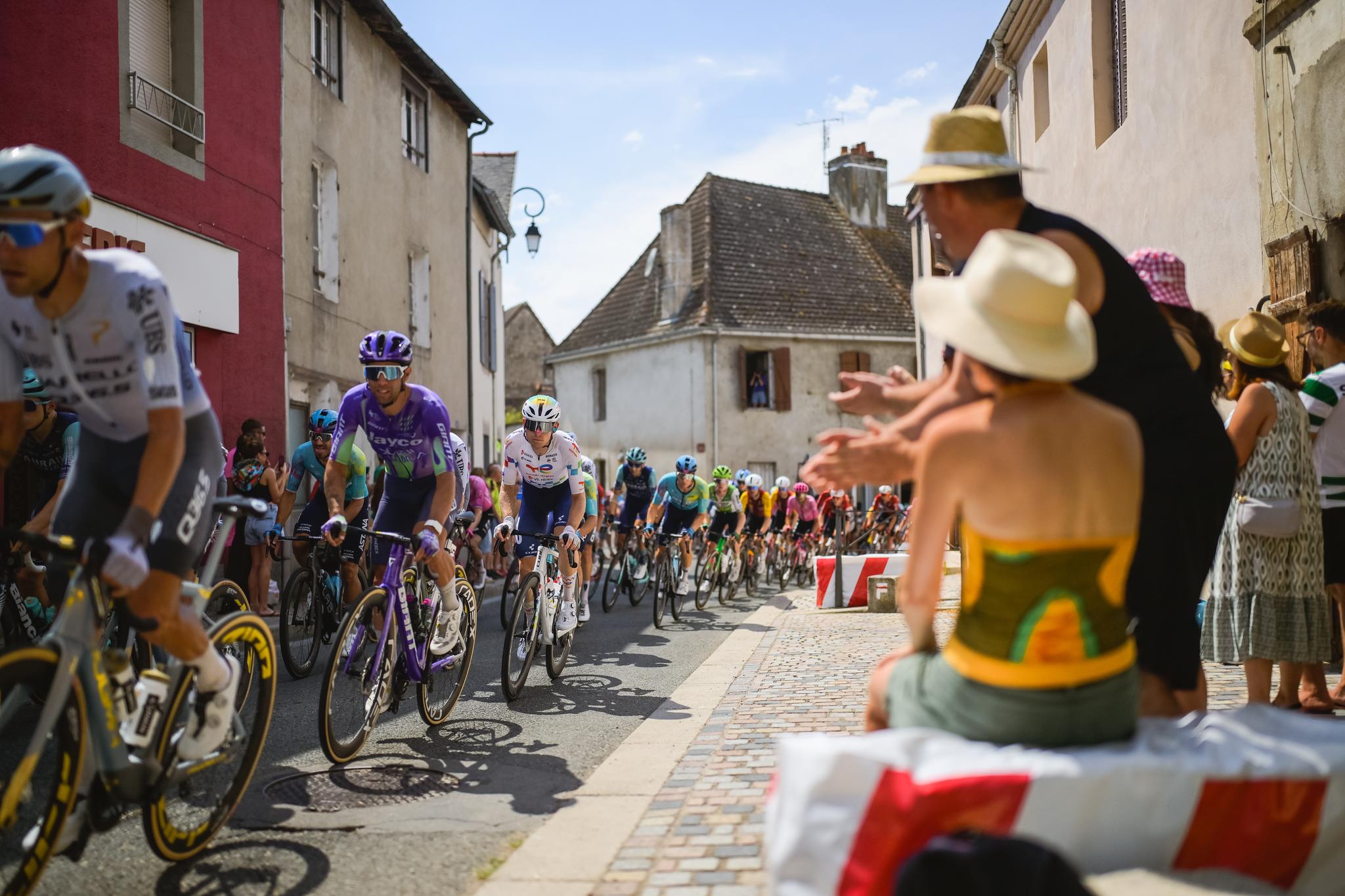
The Tour de France is not just a race, it's a celebration of cycling culture. Engaging with the cycling community can enhance your experience and provide opportunities to meet like-minded enthusiasts. Many towns along the route host events such as fan zones, where you can watch the race on big screens, participate in activities, and enjoy live music and entertainment. These fan zones create a festive atmosphere and are great places to socialise.
Cycling expos and fairs are also common during the Tour de France. These events showcase the latest in cycling gear, technology, and apparel. Attendees can test new products, attend workshops, and meet professional cyclists. It's an excellent opportunity to gain insights into the sport and pick up some tips and tricks from the pros.
For those interested in a more hands-on experience, consider joining a local cycling club or participating in amateur races and cycling tours. Many organisations offer guided rides along parts of the Tour de France route, providing a unique perspective and a chance to experience the challenges faced by the competitors. These activities not only enhance your appreciation for the race but also allow you to connect with the global cycling community.
Safety Tips and Guidelines for Tour de France Spectators
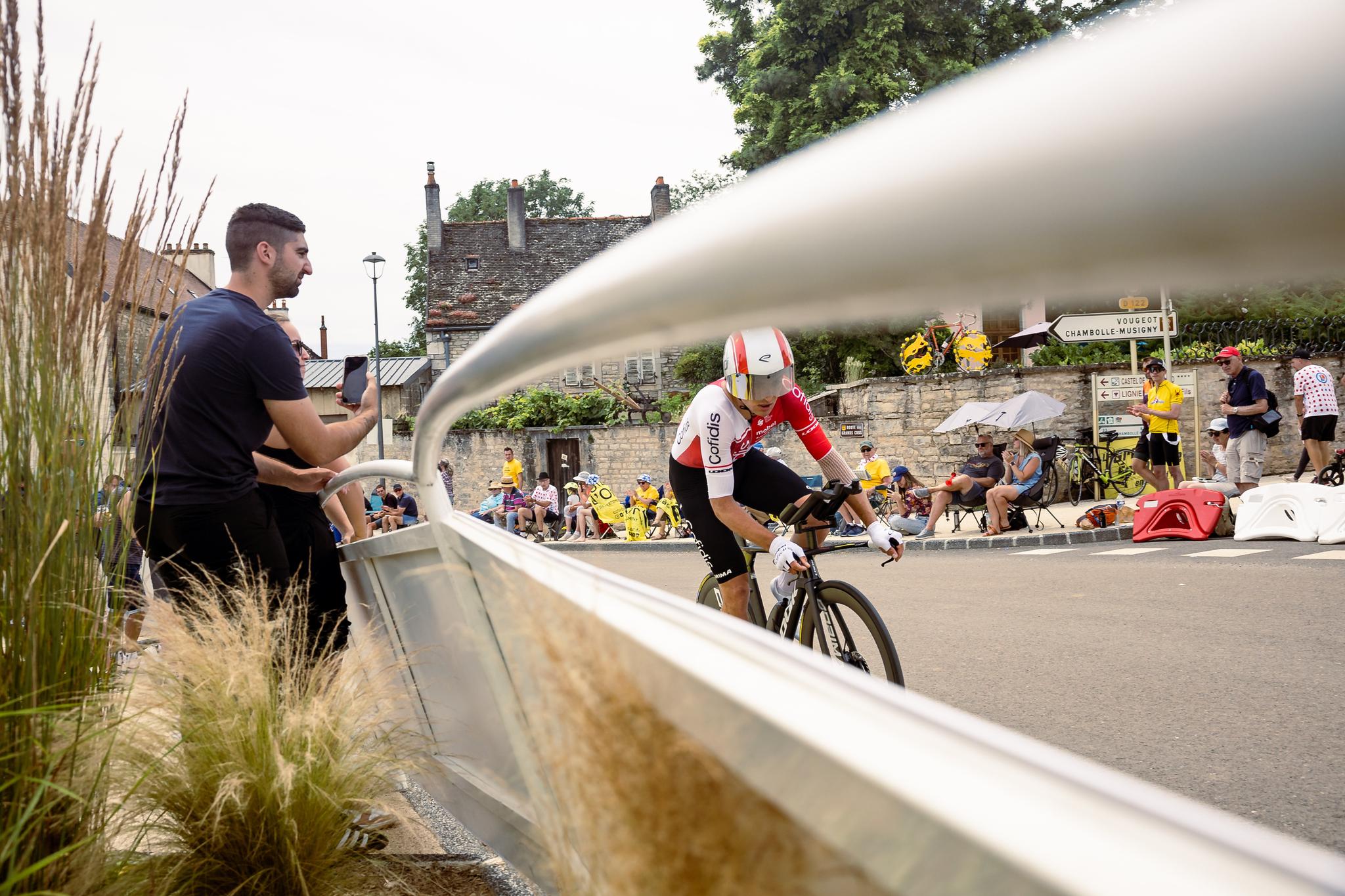
Safety is paramount when attending the Tour de France, given the large crowds and fast-paced nature of the event. First and foremost, always stay behind the barriers and designated spectator areas. Venturing onto the course is dangerous for both you and the cyclists. Be mindful of your surroundings and keep a safe distance from the road, especially during high-speed sections and descents.
Hydration is crucial, especially during the hot summer months. Carry a water bottle and refill it regularly to stay hydrated. Wearing a hat and applying sunscreen will protect you from sunburn. If you're travelling with children, keep them close and ensure they understand the importance of staying behind the barriers. Identify a meeting point in case anyone gets separated.
Lastly, be respectful of the local environment and communities. Dispose of your trash properly and respect private property. Many towns and villages take great pride in hosting the Tour de France, and maintaining a positive relationship with the locals ensures the event's success for years to come. Following these guidelines will help you have a safe and enjoyable experience.
Conclusion: Making the Most of Your Tour de France Adventure
The Tour de France is more than just a cycling race, it's an unforgettable adventure that combines sports, culture, and travel. By planning your trip carefully, you can ensure a memorable experience that includes the thrill of the race, the beauty of the French countryside, and the joy of discovering local traditions and cuisine. Whether you're a die-hard cycling fan or simply looking for a unique travel experience, the Tour de France offers something for everyone.
Embrace the excitement, connect with fellow enthusiasts, and immerse yourself in the vibrant atmosphere that surrounds this iconic event. With the tips and insights provided in this guide, you're well-equipped to explore the Tour de France like a pro. From the best times to visit and key stages to essential gear and safety tips, every aspect of your journey can be planned to perfection.
So pack your bags, grab your itinerary, and get ready for the ride of a lifetime. The Tour de France awaits, promising an adventure filled with breathtaking landscapes, thrilling races, and unforgettable memories. Bon voyage.