
The rise of the Vuelta a España
Recently, the Vuelta a España has come of age, and like a young adult learning from past mistakes and discovering their place in the world, it is finding its...
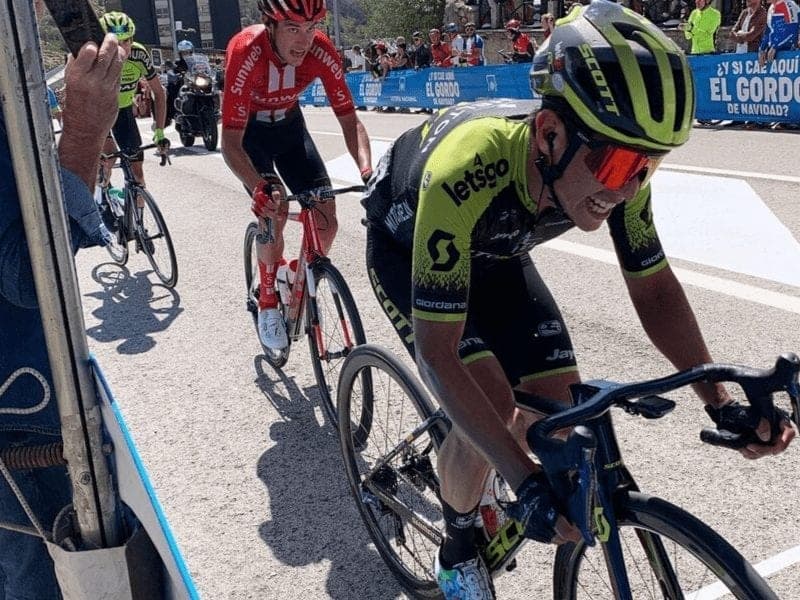
Recently, the Vuelta a España has come of age, and like a young adult learning from past mistakes and discovering their place in the world, it is finding its feet and establishing itself as a truly grand Grand Tour in the process.
For much of its history, the Vuelta has been third of the three grand tours by various metrics:
• The last to begin each year (since 1995 at least).
• The last to inaugurate (in 1935).
• The least international (for example, 23 of the first 25 finishers were Spanish in 2004).
• The most interrupted (along with the two World Wars, there were also breaks in the 30s and 50s).
• The least mythologised (you probably know Ventoux and the Stelvio, but do you know Lagos de Covadonga, La Farrapona and Puerto de Pontón?).
Last but not least...anymore
Its late start in the calendar year has caused problems in the past; think rider fatigue combined with less motivation compared to the Giro and the Tour. But combine more exciting routes with a longer season, and the race’s tardiness is less and less a problem. Some say it offers grand tour riders who failed to fire earlier in the year a chance to salvage their season, such as 2014 when both Froome and Contador raced after crashing out of the Tour. While there may be some truth in that, the Vuelta is not simply a consolation; last year’s edition included the top four finishers of the 2015 Tour de France (Froome, Valverde, Nibali and Quintana).
Spicing things up
For the seasoned fan, the Vuelta has become the most exciting of the three grand tours. Not long ago, lengthy flat stages through nowhere – there to attract the sprinters – were the norm. It was boring. Now, the race is anything but. With 10 summit finishes spread throughout the three weeks in 2016, the racing will be spectacular. And with the penultimate stage ending atop the Alto de Aitana (22.3km, 5.5% with sections of 12%), fans can expect fireworks until the very end (just like last year when Aru took the maillot oro from Dumoulin on the final mountain stage).
Its proximity to the UCI Road World Championships has also been a boon for the race, as riders use it as a final tune up. While not there to win the overall, those eyeing the Worlds certainly animate the race. One of the most notable examples of this occurring was Tony Martin’s long-range solo breakaway on stage 6 in 2013 – attacking from the gun, he averaged nearly 45km/h for 175km, only to be caught 20 metres from the line.
Riding in Spain
If you ever have the opportunity to ride in Spain, don’t think twice. As one of Europe’s most mountainous countries, its landscape is truly breathtaking. Add to that a rich and varied culture, beautiful cities and towns, perfect weather and delicious food, and you have everything you need for the perfect cycling holiday.
While not in the 2016 edition, the Angliru – which first featured in 1999 – is worth mentioning as it has quickly become part of Vuelta folklore. It is a 12.5km climb that averages just over 10%. That alone would make it tough enough but a relatively tame first half means the last 6km averages over 13% with sections above 20%. You can ride it, along with some other great climbs, on the 2016 Mummu Vuelta trip.

Related Experiences
Tour de France 2027
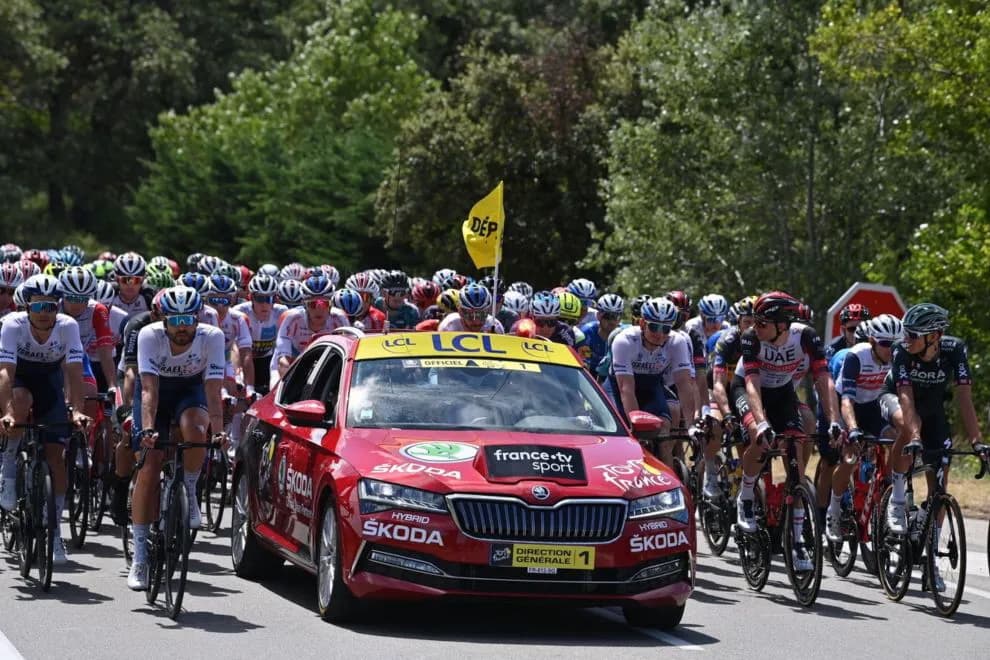
Tour de France Race Convoy Car Experience
Official Convoy Access · Ultra‑Limited Seats